Rope, Revenue, and Respect: Inside the Booming World of Kink Entrepreneurship
There's a particular kind of freedom that comes from earning a living doing exactly what you love. For a fast-growing segment of the BDSM community, that freedom looks like a workshop full of hand-dyed jute rope, a Patreon page with thousands of subscribers, or a weekend class on impact play that sells out in under an hour. Kink entrepreneurship isn't a fringe phenomenon anymore — it's a real, breathing economy with its own rules, its own risks, and its own remarkable rewards.
But let's not romanticize it too hard. Building a business inside an industry that mainstream finance still treats like a public health hazard is genuinely hard work. The people doing it successfully are part craftsperson, part marketer, part legal strategist, and — maybe most importantly — deeply committed to keeping the scene's values intact while they grow.
The Kink Economy Is Bigger Than You Think
Walk through any major BDSM event in the US — think Leather Leadership Conference, DomCon, or a regional TES Fest — and you're walking through a functioning marketplace. Vendors hawk hand-stitched leather cuffs and custom spreader bars. Educators run workshops on everything from rope bondage safety to the psychology of dominance. Photographers sell prints. Publishers move books. Online, the ecosystem is even larger: content creators on platforms like OnlyFans, FetLife's marketplace, and independent sites are pulling real income from subscribers hungry for authentic, expert-driven kink content.
Estimating the full size of this economy is tricky — nobody's filing a BDSM industry report with the SEC — but by any reasonable measure, it's substantial. The global bondage gear market alone has been valued in the hundreds of millions of dollars, and that doesn't account for educational content, event production, professional dominance services, or the enormous informal economy of custom commissions and mentorship.
Who's Actually Building These Businesses?
The kink entrepreneur landscape is wonderfully diverse, which makes sense given how many different skill sets the scene rewards.
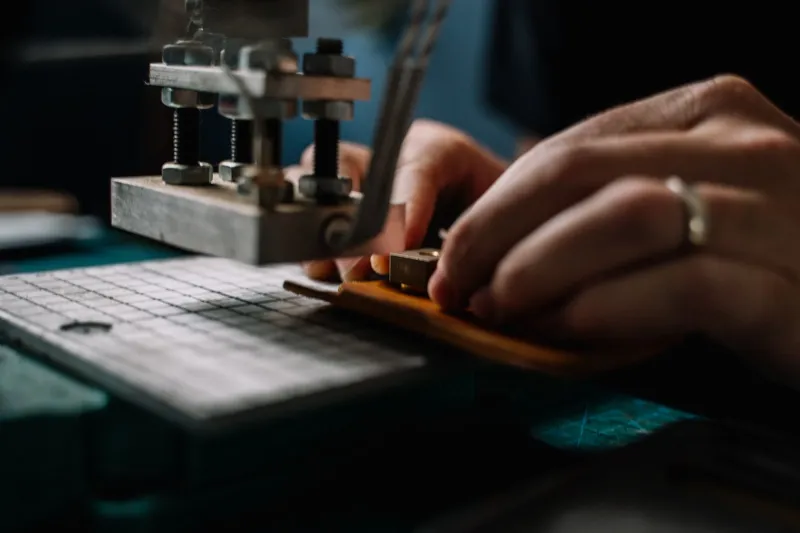
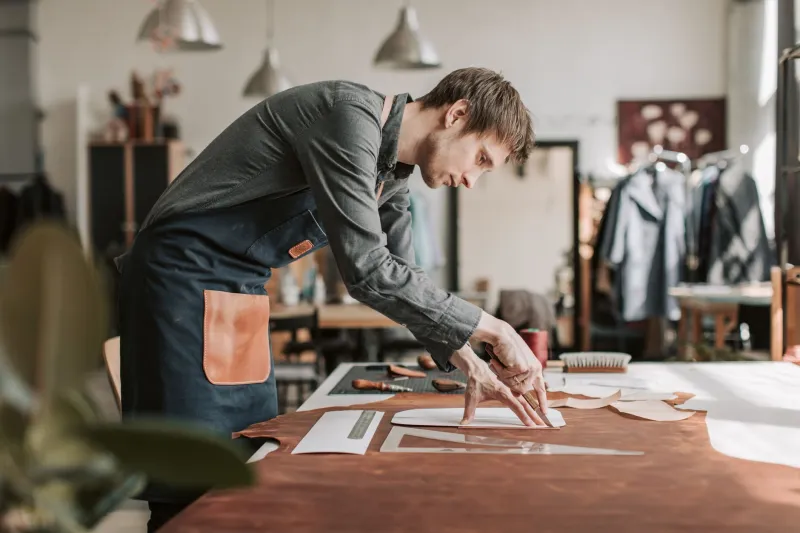
The Craftspeople are probably the most visible. Leatherworkers, rope dyers, metalworkers, and furniture builders have been selling their wares at scene events for decades. What's changed is the internet's ability to connect a flogger-maker in Portland with a buyer in Pensacola. Etsy, despite its periodic crackdowns on adult-adjacent items, has hosted countless kink artisans. Many have migrated to their own Shopify stores or direct-sales models after getting burned by platform policy changes — a lesson learned the hard way.
The Educators represent a newer and rapidly expanding category. Rope bondage instructors, consent workshop facilitators, and dominant/submissive dynamic coaches are finding that people will absolutely pay for expertise delivered by someone who actually lives this life. Online courses, Zoom workshops, and in-person intensives can command serious rates — especially when the instructor has a reputation built through years of community involvement.
The Content Creators occupy the most publicly visible — and most financially volatile — lane. Platforms like OnlyFans democratized adult content monetization, and BDSM creators flooded in. The results have been genuinely life-changing for some practitioners who'd spent years doing scene work for free or near-free. But the volatility is real: remember when OnlyFans announced it was banning explicit content in 2021 before reversing course days later? That kind of platform instability keeps kink creators up at night.
The Payment Processor Problem Is a Real Wall
Here's where the entrepreneurship conversation gets genuinely complicated. Visa, Mastercard, and the major payment processors have long maintained policies that restrict — or outright prohibit — transactions for adult content. The practical effect is that kink entrepreneurs often can't access the same financial infrastructure as a regular small business.
Getting a merchant account as a BDSM educator or gear seller frequently means higher fees, sudden account terminations, or being quietly denied without explanation. PayPal has become notorious in the community for freezing accounts and holding funds when it detects adult-related activity. Stripe has similar restrictions. The result is a cottage industry of workarounds: crypto payments, ACH bank transfers, platform-specific payout systems, and a lot of creative invoicing language.
Some practitioners have found partial relief through high-risk merchant account providers — specialized financial services that work with adult businesses but charge significantly higher processing fees, sometimes 5–10% compared to the standard 2–3%. It's a tax on being kinky, essentially, and it eats into margins in ways that can make scaling genuinely difficult.
The community's response has been characteristically resourceful. Cooperative buying groups, community-owned financial tools, and mutual aid networks have all emerged as partial solutions. There's also growing advocacy for financial non-discrimination policies that would protect adult businesses from arbitrary deplatforming — though progress at the regulatory level has been slow.
Keeping the Scene's Values in the Business Model
One of the most interesting tensions in kink entrepreneurship is the question of commercialization versus community. The BDSM scene has a strong tradition of knowledge-sharing, mentorship, and gift economy dynamics — experienced practitioners teaching newer ones, munches that are free to attend, demo bottoms who volunteer their time. When that same knowledge becomes a product, things can get philosophically complicated.
The practitioners who seem to navigate this best are the ones who treat their businesses as extensions of their scene values rather than departures from them. That might mean offering sliding-scale pricing for workshops, maintaining free educational content alongside paid offerings, or being transparent about where their money goes. It means not cutting corners on safety information to make content more marketable. It means centering consent and community ethics in every piece of gear they design or every course they build.
Several successful kink educators have talked openly about the decision to keep certain foundational content free — negotiation guides, safety resources, community directories — while monetizing advanced or specialized material. It's a model that respects the scene's open-source ethos while still allowing creators to eat.
What Financial Independence Actually Looks Like
For many kink entrepreneurs, the goal isn't a yacht. It's something more grounded: the ability to do the work they love without a vanilla day job that requires them to hide who they are. It's the freedom to invest in better equipment, to travel to teach at events, to build something that outlasts them in the community.
Some are getting there. Rope instructors who started teaching at local dungeons are now running international workshops and selling instructional video libraries. Leather craftspeople who started at farmers markets are now shipping custom gear to clients across the country. Content creators who started with a camera and a Tumblr account are now managing multiple revenue streams across several platforms.
The path is rarely linear, and the financial infrastructure challenges are real and ongoing. But the people building these businesses aren't just chasing money — they're building proof that the kink community can sustain itself on its own terms, outside the approval of institutions that have never understood them anyway.
That, more than any revenue figure, might be the most radical thing about kink entrepreneurship. It's not just a business model. It's an act of community self-determination.