Buy, Sell, Trust: How Kink Communities Are Reinventing the Ethical Marketplace
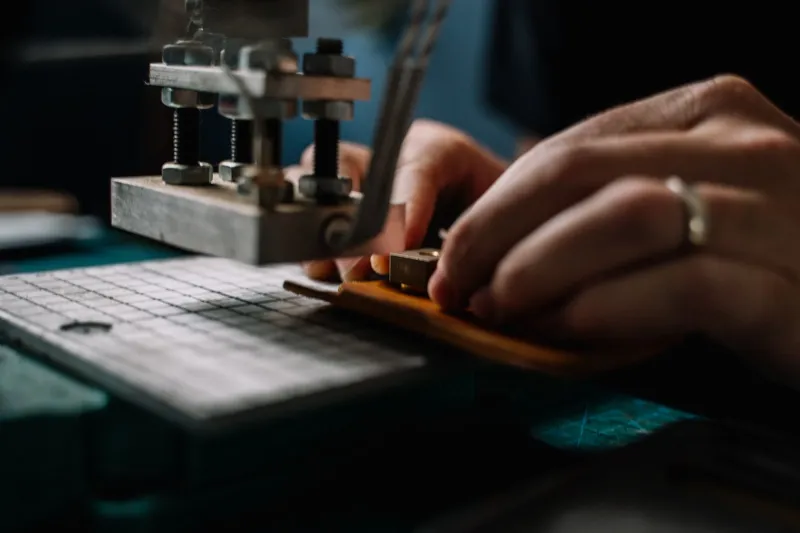
There's a joke that floats around kinky circles: the best customer service you'll ever experience is from a rope rigger selling you their handmade jute. It lands because it's true. People who build their lives around explicit communication, accountability, and consent don't suddenly forget those values when they open an Etsy shop or launch a dungeon rental service.
What's quietly been happening over the last decade—accelerating hard after mainstream payment processors started blacklisting adult businesses post-FOSTA-SESTA—is the emergence of something genuinely interesting: a trust-based, consent-modeled marketplace ecosystem built by and for the kink community. And it works better than most of what Amazon has to offer.
Why Mainstream Commerce Failed the Kink Community First
Before we celebrate the alternatives, let's be honest about why they exist. Kink-positive businesses didn't build their own networks out of preference—they were pushed out. Visa and Mastercard pressure forced platforms like ManyVids and others to purge legal adult content. PayPal remains notoriously hostile to anything with a whip in the product description. Shopify has suspended stores selling perfectly legal BDSM gear without warning or appeal.
This isn't ancient history. It's ongoing. And it hit small, independent kink artisans and educators hardest—the exact people doing the most careful, consent-conscious work.
The result? A community that had to get creative. And in doing so, accidentally built something better.
The Anatomy of a Trust-Based Kink Marketplace
So what actually makes a kink marketplace trustworthy? Turns out, it maps almost perfectly onto BDSM negotiation principles.
Transparency before transaction. Good kink vendors—whether they're selling hand-stitched leather cuffs or offering professional Dominant services—lead with full disclosure. Materials, sourcing, experience level, session limits, references. You know what you're getting before money changes hands. Compare that to an Amazon listing where "genuine leather" could mean cardboard wrapped in vinyl.
Community accountability over anonymous reviews. Mainstream platforms rely on star ratings that are easy to fake and hard to contextualize. Kink communities use something older and more effective: reputation networks. On platforms like FetLife, in local munches, through presenter circuits at events like NCSF-affiliated conferences—word travels. Bad actors get named. Good vendors get amplified. It's not perfect, but it's accountable in a way that a 4.2-star average never is.
Explicit terms, no surprises. Ever hired a BDSM educator or a professional switch for a session? The negotiation process would make most corporate contract lawyers weep with envy. Scope of service, hard limits, cancellation policies, what happens if something goes wrong. The paperwork is basically a consent checklist with a payment schedule attached.
What Successful Kink Businesses Actually Look Like
Look at the vendors who've built real, lasting reputations in this space and patterns emerge fast.
Artisan gear makers—particularly in the rope, leather, and impact toy spaces—tend to operate with what you might call radical product honesty. They'll tell you exactly what their flogger is made from, how it was cured, what kind of sensation to expect, and whether it's appropriate for a beginner. They'll recommend a competitor if their product isn't the right fit for your needs. That's not bad business—it's how you build a customer who comes back for the next five purchases.
Kink event organizers who've maintained community trust over years share a few common practices: clear codes of conduct that are actually enforced, transparent financial structures (especially for community-run events), accessible grievance processes, and a willingness to ban paying customers when safety demands it. The ones who've collapsed—and there are notable examples in every major US city's scene history—almost always failed at exactly these points.
Professional BDSM service providers (educators, dominants, submissives, switches offering paid sessions) who sustain careers long-term tend to be meticulous about boundary-setting in their own marketing. They don't overpromise. They screen clients. They have policies. They refer people elsewhere when the fit isn't right.
The Predatory Vendor Playbook (And How to Spot It)
The flip side is real and worth naming directly. The kink marketplace, like any community space, attracts people who want to exploit the trust architecture without earning it.
Predatory vendors in this space tend to follow recognizable patterns. They lean heavily on scene aesthetics and terminology without demonstrating actual community involvement. They resist accountability—no references, no community presence, no verifiable history. They create urgency or scarcity pressure that mirrors exactly the kind of coercive dynamics that consent culture is designed to prevent. They use the language of kink ("we respect your limits") as marketing copy while operating with zero actual accountability structures.
The best protection is the oldest one: do your homework within community networks before you spend money or put your body in someone's hands. A vendor who's been around your local munch circuit, who presents at events, who has verifiable references from people you can actually talk to—that's a different category of risk than someone who found you on Instagram.
Building Something Better, Together
Here's what's genuinely exciting about where this is heading. The kink community didn't just survive being pushed out of mainstream commerce—it's actively prototyping models that mainstream commerce could learn from.
Consent-forward purchasing. Explicit terms. Accountability networks. Reputation systems that mean something. The ability to ask hard questions before committing. These aren't niche kink concepts—they're just good consumer protection principles that happen to have been developed most rigorously by people who already understood why explicit communication saves everyone.
Next time you're sourcing gear, looking for a workshop, or considering a professional service in this space—ask who vouches for this person. Ask what happens if something goes wrong. Ask for transparency before you hand over your card number or your trust.
The safeword in commerce, it turns out, is just informed consent. The kink community figured that out years ago.